The Maker
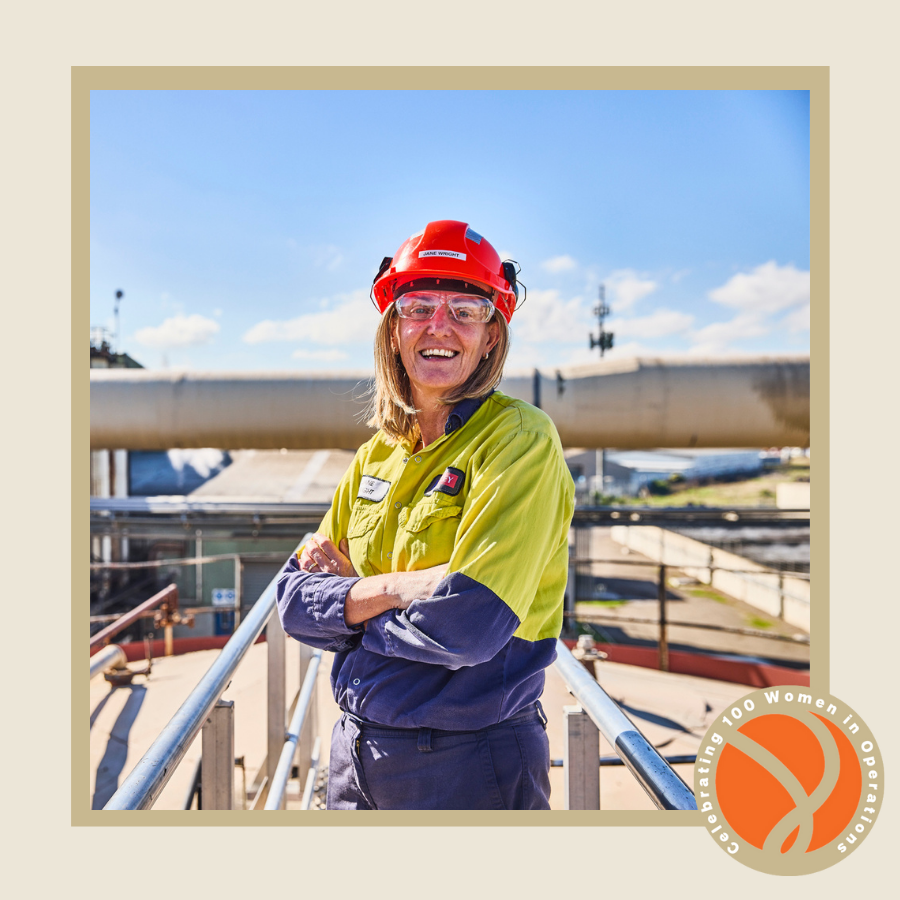
You love making things. You’re the kind of person who pulls stuff apart to see how it works, and nothing beats watching something you’ve built come to life.
That instinct? It’s exactly what operations needs.
Operations is where things actually get made. Real, physical things—products people use every day. From the food on supermarket shelves to the cables powering your devices, someone had to design the process, set up the equipment, and make sure it all ran properly. That someone could be you.
As a Maker in operations, you might work as a manufacturing engineer, figuring out the most efficient way to build a product at scale. You could be a process technician, monitoring the machines and systems that keep production running smoothly. Or you might work in quality control, checking that everything coming off the line meets the standard.
Makers also work in industries like mining, energy, and construction. Places where you’re dealing with big equipment, complex systems, and real challenges that need hands-on thinking.
You don’t just sit behind a screen. You’re on the floor, in the plant, in the field. You’re solving real problems with real consequences.
The best part? Operations is always evolving. New technology, smarter systems, more sustainable ways of doing things. Makers are the people figuring out what comes next.
If you love seeing ideas turn into reality, operations is your kind of place.
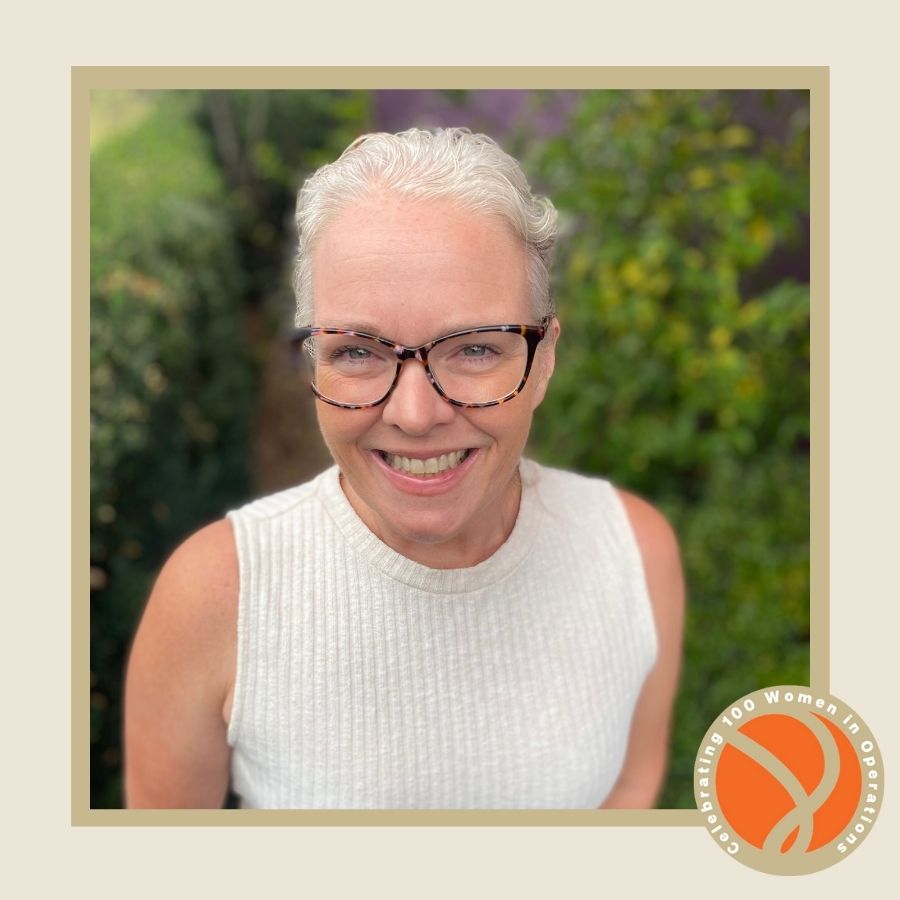
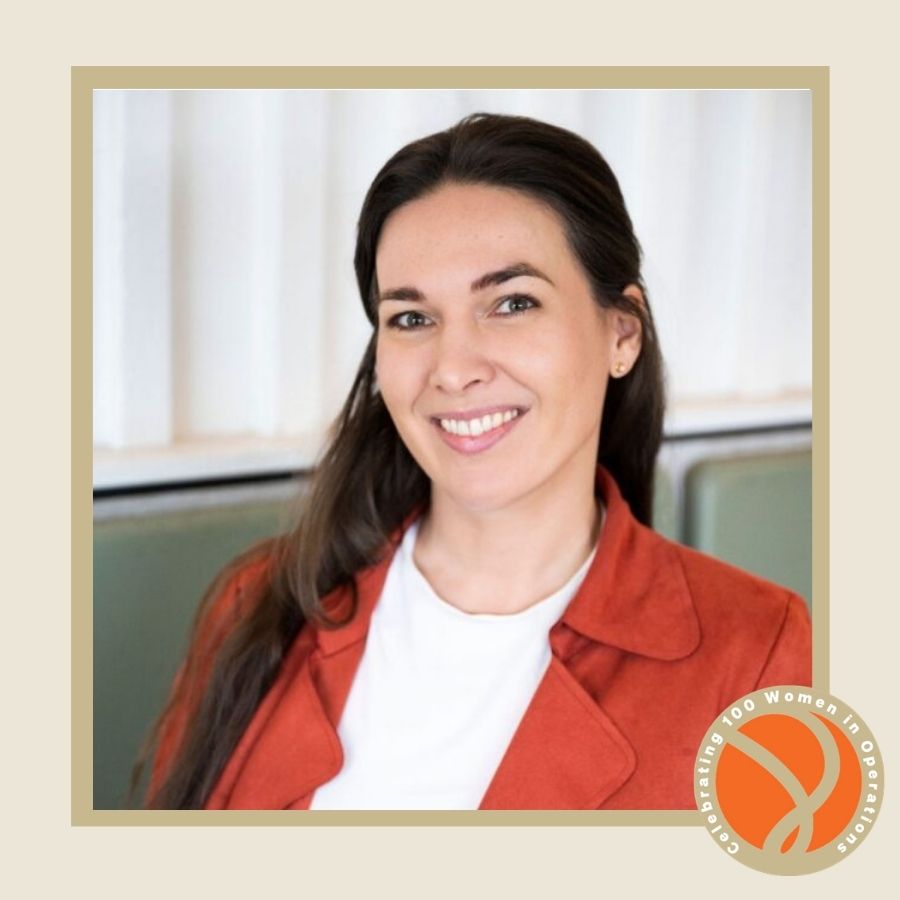
Carrie-Ann Jones
Head of Engineering & Operational Excellence, George Weston Foods
The Problem-Solver
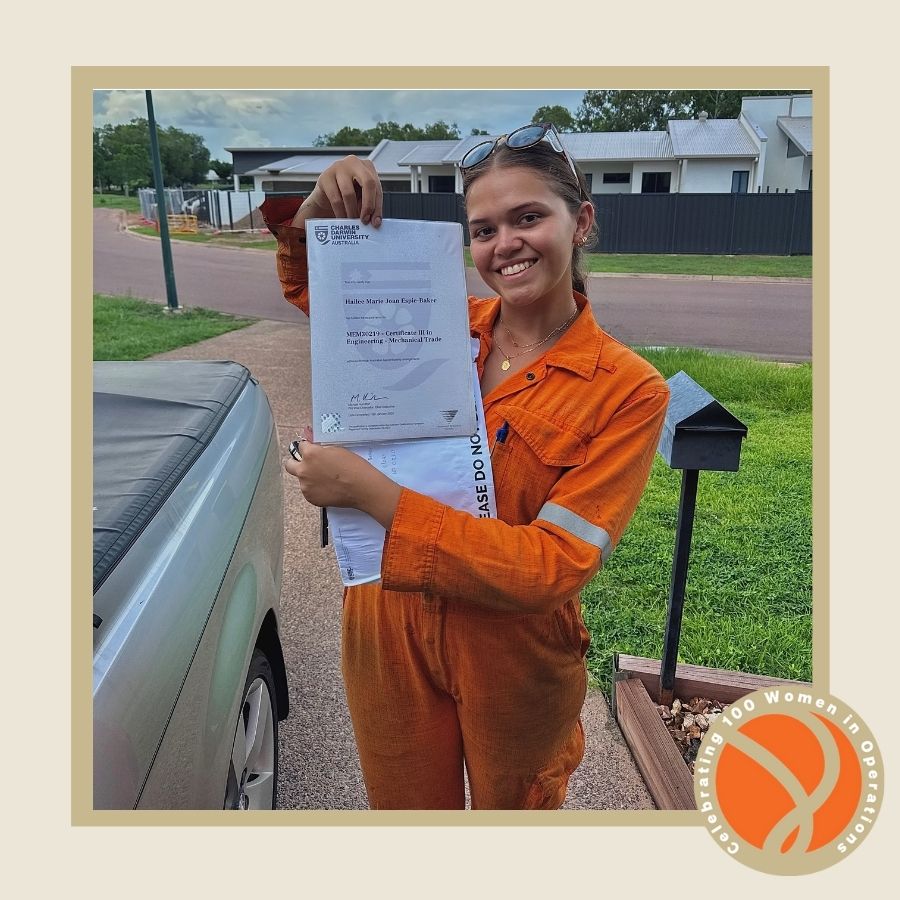
You can’t help spotting a better way to do things. A group project, a video game strategy, even a messy room. Operations is full of tricky problems that need exactly your kind of thinking.
Operations don’t run perfectly. Things break, slow down, or go sideways. That’s where Problem-Solvers come in.
In operations, a Problem-Solver might work as a continuous improvement specialist, looking at how a factory or warehouse works and finding smarter, faster, less wasteful ways to do things. You might be a data analyst, digging into numbers to spot patterns that nobody else noticed. Or you could work in supply chain, figuring out why a shipment is delayed and what needs to change so it doesn’t happen again.
Problem-Solvers ask “why?” a lot. Why does this step take so long? Why does this cost so much? Why does this keep breaking? Then they figure out the answer and do something about it.
You’ll find Problem-Solvers in almost every operational industry: manufacturing, logistics, utilities, and agriculture. Wherever there’s a system, there’s someone trying to make it better.
You don’t need to have all the answers straight away. The skill is knowing how to find them. That means understanding data, working with a team, and not giving up when the first solution doesn’t work.
If you’re the person who always thinks “there has to be a better way”, you’re right. And operations needs you to go find it!
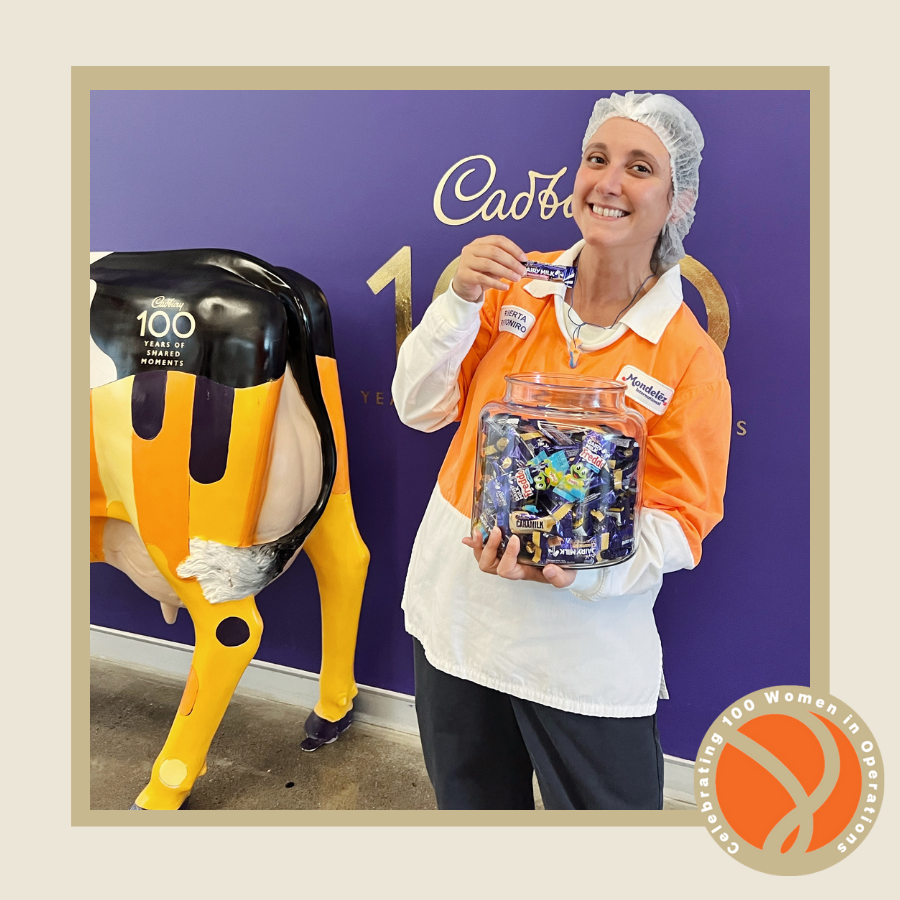
Roberta Pietroniro
Plant Director Claremont & Burnie, Mondelez International
The Organiser
You’re at your best when things are happening. You love running the group chat, planning the trip, and making sure everyone (and everything) ends up where they’re meant to be.
Operations runs on organisation. Getting the right things to the right place at the right time, in the right order, without things falling apart—that’s a full-time job. Actually, it’s lots of full-time jobs.
As an Organiser in operations, you might work in logistics and supply chain, coordinating how products move from a factory to a warehouse to a customer’s door. You could be an operations coordinator, keeping track of schedules, resources, and everything that needs to happen for a project to stay on track. Or you might work as a project manager, running a whole operation from start to finish; managing timelines, budgets, and teams.
Organisers are the people who make chaos feel manageable. When something unexpected happens (and it always does), you’re the one who knows what to adjust and who to call.
You’ll use tools like planning software, spreadsheets, and communication platforms. But the real skill is in your head: knowing how all the pieces fit together and what needs to happen next.
Industries like transport, construction, and manufacturing rely on Organisers every single day. Without them, nothing ships, nothing gets built, nothing runs.
If you get a buzz from ticking things off a list and keeping everything (and everyone) on track, operations is exactly where you’ll thrive.

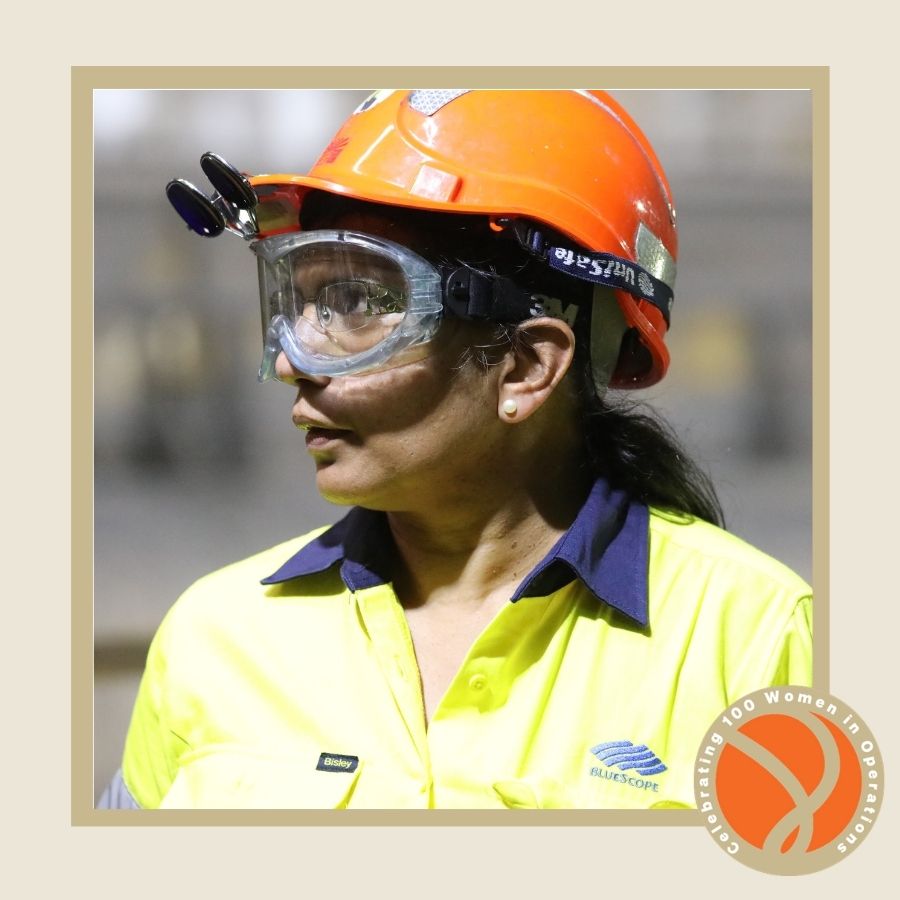
The People Person
You make sure everyone in the group feels included and looked after, and you want your work to actually matter.
Operations isn’t just about machines and systems. It’s about people. Big teams, complex workplaces, and real humans who need to work together well. That’s where People Persons make their mark.
In operations, a People Person might work in human resources, helping organisations recruit, support, and develop the people who do the work. You could be a health, safety, and environment (HSE) officer, making sure the people on a worksite are protected and that the work being done doesn’t harm the environment. Or you might work in training and development, helping workers build new skills so they can grow in their careers.
People Persons are also great leaders. Operations teams can be large and complex, and they need people who can communicate clearly, resolve conflict and make sure everyone knows their role and feels valued.
You might work in mining, construction, energy, or manufacturing; industries that are actively looking for people who understand that a healthy team performs better. Research backs this up: workplaces that are inclusive and well-supported consistently outperform those that aren’t.
The work you do as a People Person has a ripple effect. When people feel safe, supported, and included, the whole operation works better.
If you care about people and want a career where that caring creates real change, operations has a place for you.
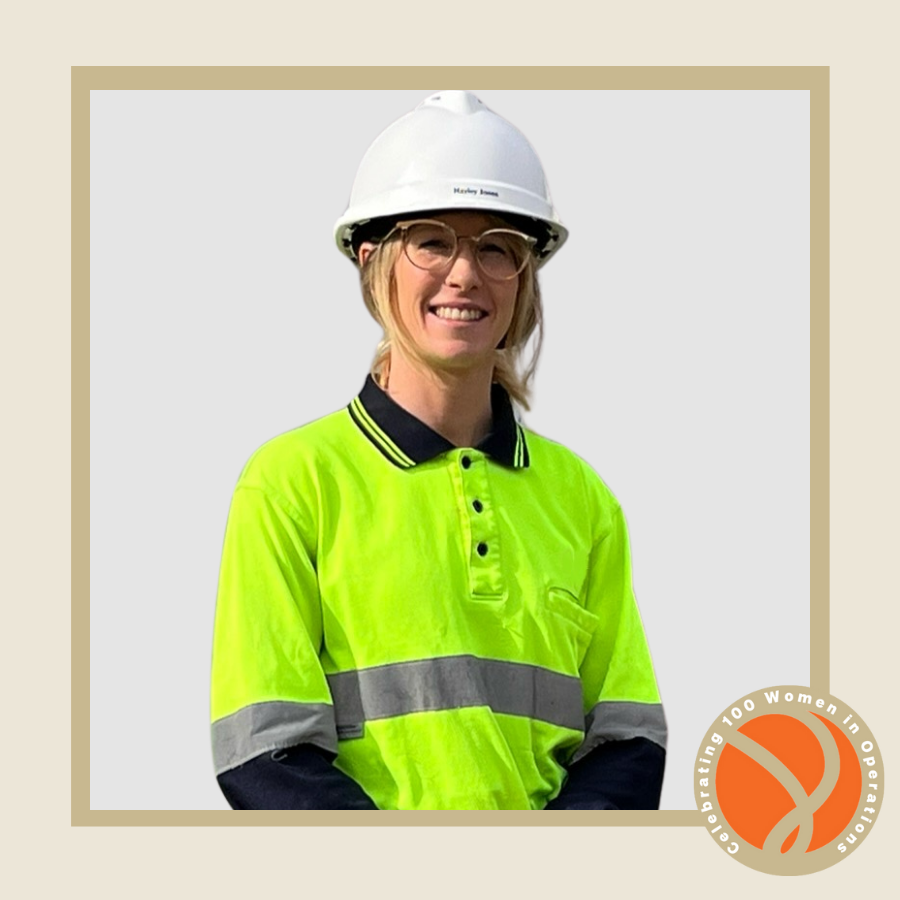
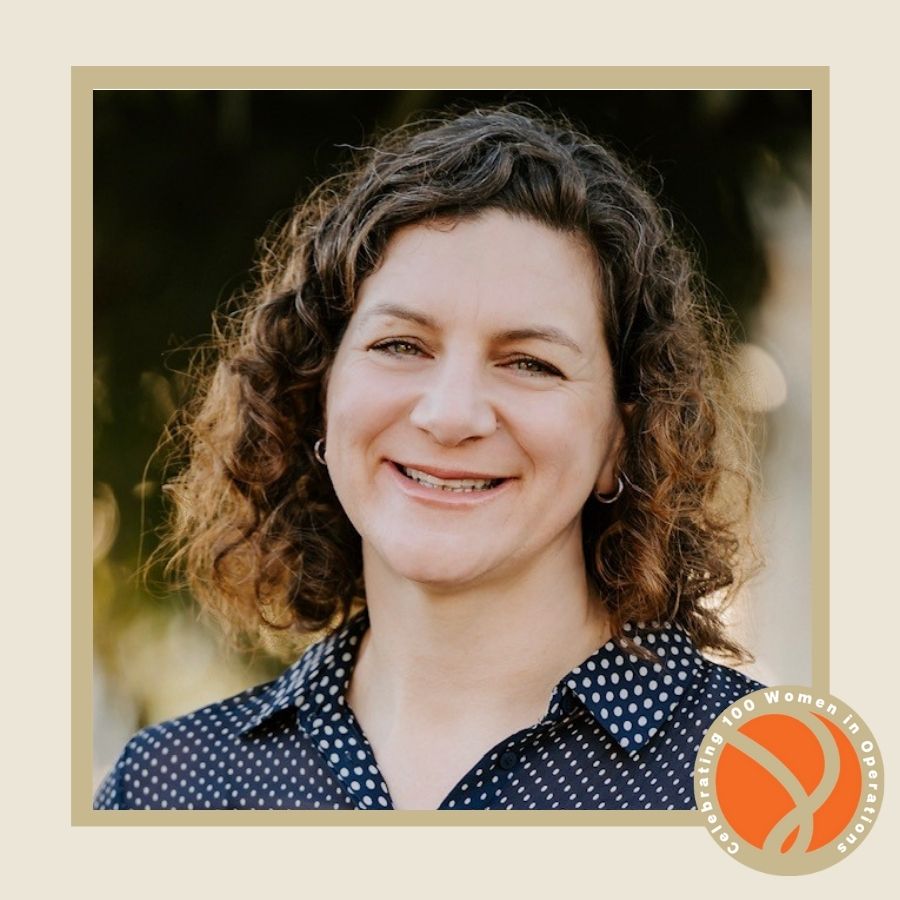
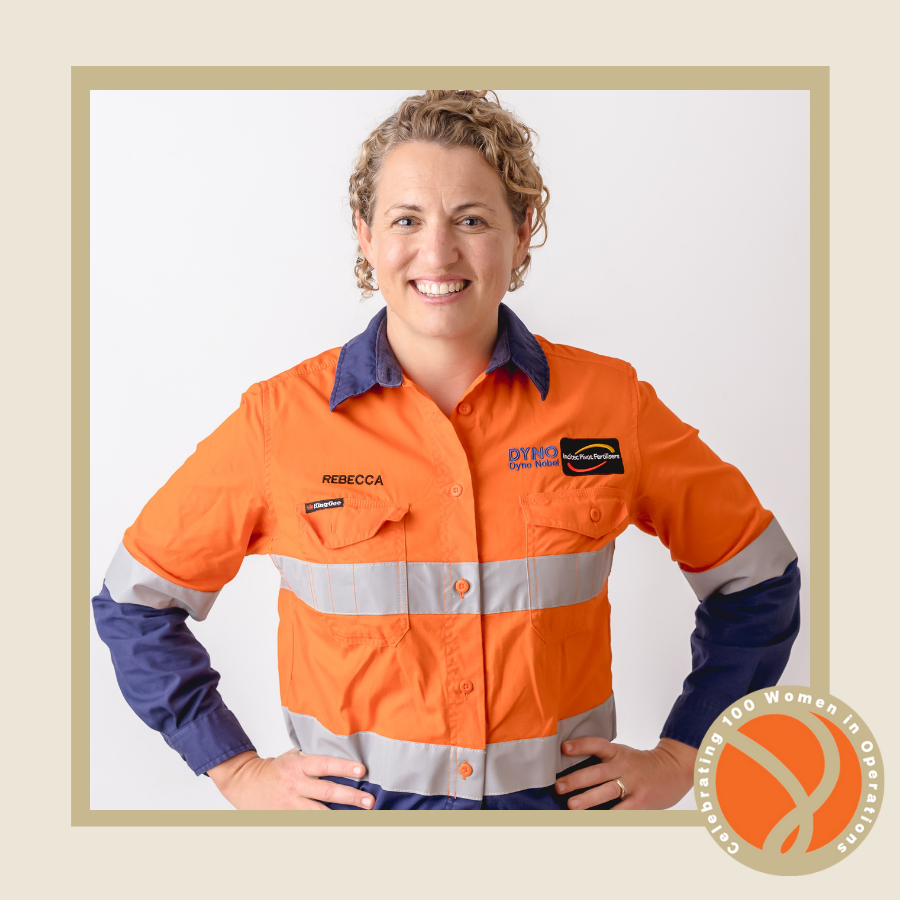
Meet three women who lead teams in operations.
Lydia Avril works at Amazon, Terri Massey works at CHEP, and Kamini Wijekulasuriya works at BlueScope. All three are senior leaders, and all three are members of NAWO.
They’ll share what it’s like to work in operations, and why being part of NAWO matters to them, and to their companies.
Visit our 100 Women page to see how NAWO celebrates women in operations.
100 Women